Why Human Talent Will Always Matter in an AI-Driven World
Human Talent remains the most valuable asset in an AI-driven world. While artificial intelligence continues transforming industries, automating tasks, and reshaping business operations, organizations are discovering an important truth: technology may evolve rapidly, but human creativity, leadership, judgment, and innovation remain impossible to replicate fully.
Every major technological revolution has generated fears about job displacement. From the Industrial Revolution to the rise of personal computers and the internet, people have worried that machines would eventually replace human workers. Yet history has repeatedly shown that technology changes work more often than it eliminates the need for human talent.
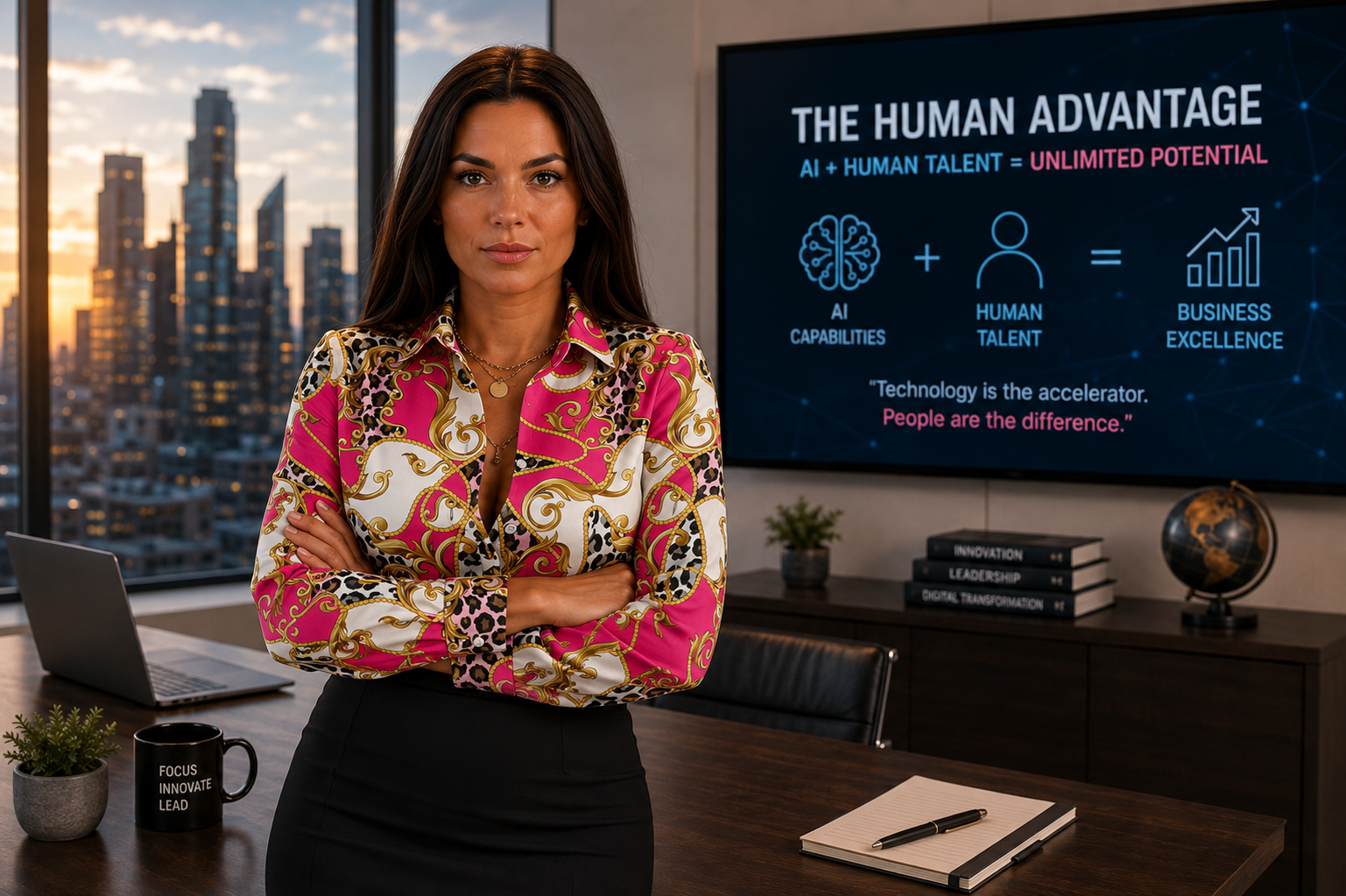
As artificial intelligence becomes integrated into nearly every business function, the companies that succeed will not be those with the most AI. They will be the organizations that best combine AI capabilities with exceptional human talent.
AI Is Changing Work, Not Eliminating It
Artificial intelligence is already automating repetitive and time-consuming tasks across industries. Customer support teams use AI assistants, software developers rely on AI coding tools, marketers generate content faster, and businesses automate routine administrative processes.
These advancements increase productivity and efficiency, but they do not eliminate the need for skilled professionals.
In many cases, AI simply allows workers to focus on higher-value responsibilities that require critical thinking, creativity, emotional intelligence, and strategic decision-making.
The rise of intelligent automation is explored further in The Agentic Web: AI Agents Become Internet Users, where AI agents are increasingly performing digital tasks on behalf of humans.
Creativity Remains a Human Advantage
One of the biggest limitations of artificial intelligence is creativity.
AI systems excel at identifying patterns, generating content based on existing information, and predicting outcomes from historical data. However, they do not possess genuine imagination, curiosity, or original thought.
Many of the world’s greatest innovations were driven by people willing to challenge conventional wisdom, take risks, and pursue ideas that initially appeared impossible.
Creativity remains one of the defining characteristics of human talent and continues to be a competitive advantage that machines cannot duplicate.
Leadership Cannot Be Automated
Leadership involves far more than processing information.
Great leaders inspire teams, navigate uncertainty, resolve conflicts, build trust, and create a shared vision for the future. These responsibilities require emotional intelligence and interpersonal skills that extend far beyond what artificial intelligence can currently provide.
Businesses increasingly recognize that while AI can support decision-making, leadership itself remains fundamentally human.
The organizations that thrive in the AI era will be those led by individuals who understand both technology and people.
The Importance of Human Judgment
AI systems can generate recommendations, but they cannot fully understand context, ethics, or long-term consequences.
Business decisions often involve competing priorities, incomplete information, and complex human considerations that require judgment.
Whether evaluating risk, approving investments, managing employees, or responding to unexpected events, organizations still depend on experienced professionals to make critical decisions.
Human judgment serves as an essential safeguard against overreliance on automated systems.
AI Creates New Opportunities
Rather than replacing human talent, AI is creating entirely new categories of work.
Organizations are hiring AI specialists, prompt engineers, AI governance professionals, cybersecurity experts, infrastructure architects, and data scientists at an unprecedented pace.
The growing demand for AI infrastructure is explored in AI Infrastructure Costs Are Exploding in 2026, which highlights the enormous investments organizations are making to support next-generation AI systems.
As AI adoption accelerates, demand for skilled workers capable of managing and optimizing these technologies will continue growing.
Technology Has Always Needed People
Every major technological advancement throughout history has relied on talented individuals to unlock its full potential.
Computers did not eliminate accountants. The internet did not eliminate marketers. Cloud computing did not eliminate IT professionals.
Instead, technology transformed roles and created new opportunities for individuals willing to adapt and develop new skills.
Artificial intelligence represents the next stage of that evolution.
The Human-AI Partnership
The future is not a competition between people and machines.
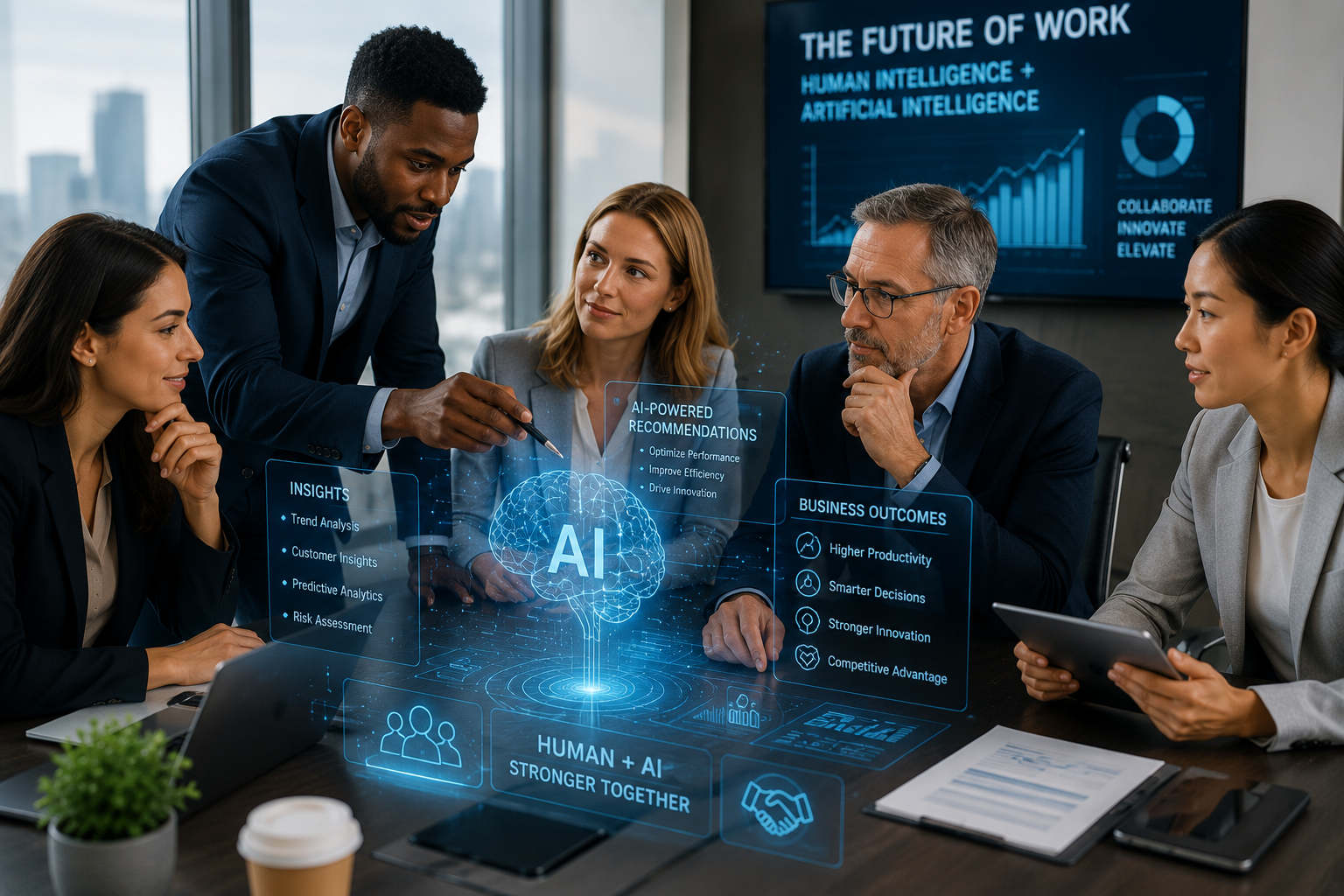
The future belongs to organizations that successfully combine the strengths of both.
AI excels at speed, automation, and data processing. Humans excel at creativity, empathy, leadership, and innovation.
When these strengths work together, businesses can achieve outcomes neither could accomplish alone.
This transformation is already visible in the workplace, where intelligent systems increasingly support employees rather than replace them.
As discussed in AI Agents Are Replacing Dashboards: The Rise of Autonomous Enterprise Operations, AI is changing how information is delivered and consumed, but human oversight remains critical.
The Real Competitive Advantage
As artificial intelligence becomes widely available, access to technology alone will no longer provide a meaningful competitive advantage.
Most organizations will eventually have access to similar AI tools, platforms, and capabilities.
The differentiator will be how effectively people use those technologies.
Companies that invest in developing human talent, fostering innovation, and encouraging continuous learning will be best positioned to succeed.
Their competitive advantage will not be artificial intelligence itself, but the people who know how to use it better than anyone else.
Looking Ahead
Artificial intelligence will continue reshaping industries and transforming the workplace throughout the coming decade.
However, the importance of human talent is not diminishing. In many ways, it is becoming even more valuable.
As routine tasks become automated and AI becomes more accessible, uniquely human qualities such as creativity, leadership, judgment, adaptability, and innovation will become increasingly important.
The future will not belong to AI alone. It will belong to people who understand how to work alongside it.
Technology may change the way we work, but human talent will always remain the driving force behind progress, innovation, and success.