
The Rise of AI Scams: How to Protect Yourself in 2026
Artificial intelligence is transforming industries, improving productivity, and changing the way people work and communicate. But while AI is creating exciting new opportunities, it is also giving cybercriminals powerful new tools to deceive unsuspecting victims.
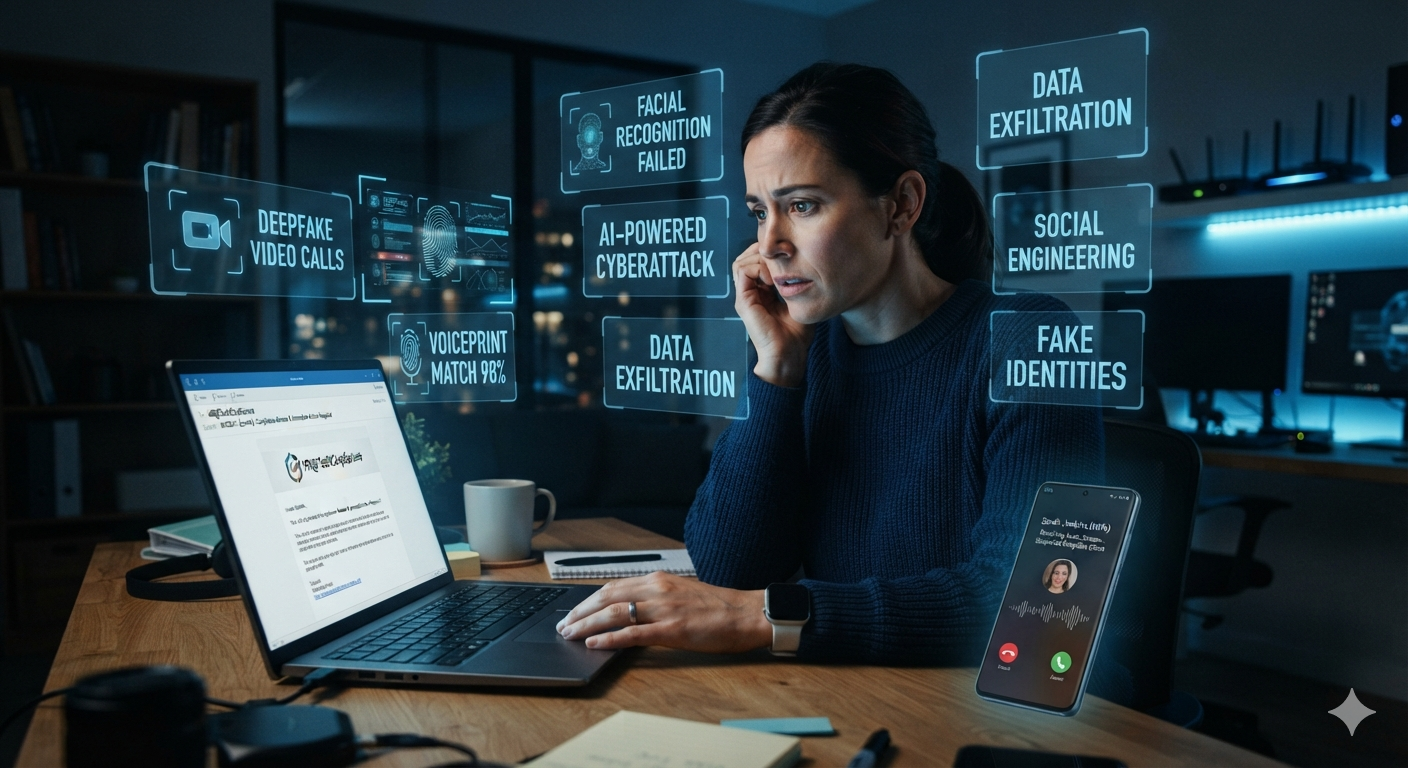
From cloned voices and realistic deepfake videos to highly convincing phishing emails and fake customer support agents, AI scams are becoming more sophisticated than ever before. Criminals can now automate attacks, personalize scams in seconds, and create fake content that is increasingly difficult to distinguish from the real thing.
In 2026, the biggest cybersecurity threat for many individuals may not be traditional hackers—it may be artificial intelligence used for fraud.
The good news is that understanding how these scams work is the first step toward protecting yourself. By recognizing the warning signs and adopting safer online habits, individuals and businesses can reduce their risk of becoming victims.
What Are AI Scams?
AI scams are fraudulent schemes that use artificial intelligence to trick people into sharing personal information, sending money, downloading malware, or giving criminals access to valuable accounts.
Unlike traditional scams that often relied on poorly written emails or obvious warning signs, AI-generated scams can sound natural, appear highly professional, and even imitate the voices and faces of people you know.
Cybercriminals are using AI to automate nearly every stage of an attack, allowing them to target thousands of victims with customized messages that feel personal and convincing.
As AI technology becomes more accessible, these scams are becoming cheaper to create and far more difficult to detect.
Voice Cloning Is Fooling Families
One of the fastest-growing AI scams involves voice cloning.
Using only a few seconds of audio from social media videos, podcasts, or voicemail recordings, AI can generate a digital voice that closely resembles the original person.
Scammers have used this technology to impersonate family members, claiming they have been injured, arrested, or stranded while urgently requesting money.
Imagine receiving a phone call that sounds exactly like your child or grandchild asking for immediate financial help. Many victims respond emotionally before taking time to verify the situation.
Although the technology is impressive, the scam relies on creating panic and urgency.
A simple phone call to another family member or asking a personal question only the real person would know can often expose the fraud.
Deepfake Videos Are Becoming More Convincing
Artificial intelligence can now create realistic videos showing people saying or doing things that never actually happened.
Known as deepfakes, these AI-generated videos have become increasingly believable.
Criminals have used deepfake technology to impersonate executives during video meetings, convince employees to transfer funds, and spread misinformation across social media.
Businesses are also becoming targets as cybercriminals use fake executive videos to authorize fraudulent payments or gain access to sensitive company information.
While deepfakes continue improving, small inconsistencies often remain.
Watch for unusual facial movements, unnatural blinking, mismatched lip synchronization, or strange lighting around the face.
When large financial requests or sensitive information are involved, always verify through another trusted communication method.

AI-Powered Phishing Emails
Phishing emails have existed for decades, but artificial intelligence has dramatically improved their effectiveness.
Traditional phishing messages often contained spelling mistakes, awkward grammar, or generic greetings that made them easier to recognize.
Today’s AI-generated phishing emails can be personalized using publicly available information gathered from social media, company websites, and online profiles.
Attackers can reference your employer, coworkers, recent purchases, or hobbies, making the messages appear legitimate.
Some emails even mimic the writing style of executives or colleagues, increasing the chances that recipients will trust the request.
Always verify unexpected requests for passwords, banking information, or financial transactions before responding.
Fake Customer Support Scams
Many people now turn to online search engines or social media when they need technical support.
Cybercriminals know this.
Scammers create fake customer support websites, advertisements, and AI-powered chatbots that appear to represent well-known companies.
Victims searching for assistance may unknowingly connect with criminals instead of legitimate support representatives.
These fake agents often request remote access to computers, payment information, or account credentials.
Before contacting customer support, always visit the company’s official website instead of clicking advertisements or unknown links.
Verify phone numbers and web addresses carefully before sharing personal information.
Investment Scams Powered by AI
Artificial intelligence has also transformed financial fraud.
Scammers now generate convincing investment websites, fake financial advisors, AI-generated testimonials, and fabricated news articles promoting fraudulent opportunities.
Some schemes promise guaranteed profits using “AI trading algorithms” or exclusive investment systems that supposedly outperform the market.
Others use deepfake videos featuring celebrities or business leaders endorsing products they have never supported.
Remember one simple rule:
If an investment promises guaranteed returns with little or no risk, it is almost certainly a scam.
Legitimate investments always involve some level of risk.
Social Media Is a Gold Mine for Criminals
Every photo, video, or personal update shared online provides valuable information that scammers can use.
Artificial intelligence allows criminals to collect public information automatically and create highly personalized attacks.
Simple details like birthdays, family names, workplaces, travel plans, and favorite hobbies can help scammers gain trust.
Limiting the amount of personal information shared publicly reduces the information available for AI systems to exploit.
Reviewing privacy settings regularly is one of the easiest ways to strengthen online security.
How to Recognize AI Scams
Although AI scams are becoming more advanced, many still share common warning signs.
Be cautious when you notice:
- Urgent requests for money
- Unexpected phone calls from relatives
- Emails requesting passwords or verification codes
- Investment opportunities promising guaranteed profits
- Unusual payment requests using gift cards or cryptocurrency
- Poor website addresses or unfamiliar domains
- Pressure to act immediately without verification
Whenever something feels suspicious, pause before responding.
Taking just a few extra minutes to verify a request can prevent significant financial losses.
How to Protect Yourself
Protecting yourself from AI scams does not require advanced technical knowledge.
Simple habits can dramatically reduce your risk.
Start by enabling multi-factor authentication on important accounts.
Keep software and devices updated with the latest security patches.
Use strong, unique passwords managed through a trusted password manager.
Avoid clicking unexpected links received through email or text messages.
Verify financial requests through a second communication method.
If a family member calls asking for emergency money, contact them directly using a known phone number before sending anything.
Many families are now creating safe words or verification questions that only close relatives know.
These simple precautions make voice-cloning scams far less effective.
Businesses Must Prepare as Well
Organizations face growing risks from AI-generated fraud.
Employees should receive regular cybersecurity awareness training focused specifically on AI scams, deepfakes, and social engineering.
Companies should establish clear procedures for approving financial transactions and verifying executive requests.
Using multiple levels of approval for wire transfers and sensitive account changes can prevent costly mistakes.
Cybersecurity is no longer only about protecting computers.
It is about protecting people from increasingly convincing deception.
The Future of AI Scams
Artificial intelligence will continue improving rapidly.
Unfortunately, scammers will continue adapting alongside it.
Future attacks may include even more realistic digital identities, real-time voice conversations, personalized video messages, and automated fraud campaigns targeting millions of people simultaneously.
Fortunately, cybersecurity professionals are also using AI to detect fraud faster, identify suspicious behavior, and stop attacks before they succeed.
The battle between AI-powered security and AI-powered cybercrime will likely define the next generation of online safety.
Final Thoughts
Artificial intelligence is one of the most powerful technologies ever created, offering incredible opportunities for innovation, productivity, and communication.
However, like every major technological advancement, it can also be misused.
AI scams are becoming more realistic, more personalized, and more difficult to detect. Voice cloning, deepfakes, AI-generated phishing emails, and fraudulent websites are changing the landscape of cybercrime in 2026.
The best defense is awareness.
By staying informed, verifying unexpected requests, protecting personal information, and practicing good cybersecurity habits, individuals and businesses can significantly reduce their chances of becoming victims.
Artificial intelligence will continue to shape the future—but with knowledge and caution, it does not have to shape your next scam.