In modern software delivery, speed is currency. But speed without control leads to outages, inefficiencies, and burnout. That’s why feedback loops are core to DevOps success — they turn chaos into insight, and insight into action.
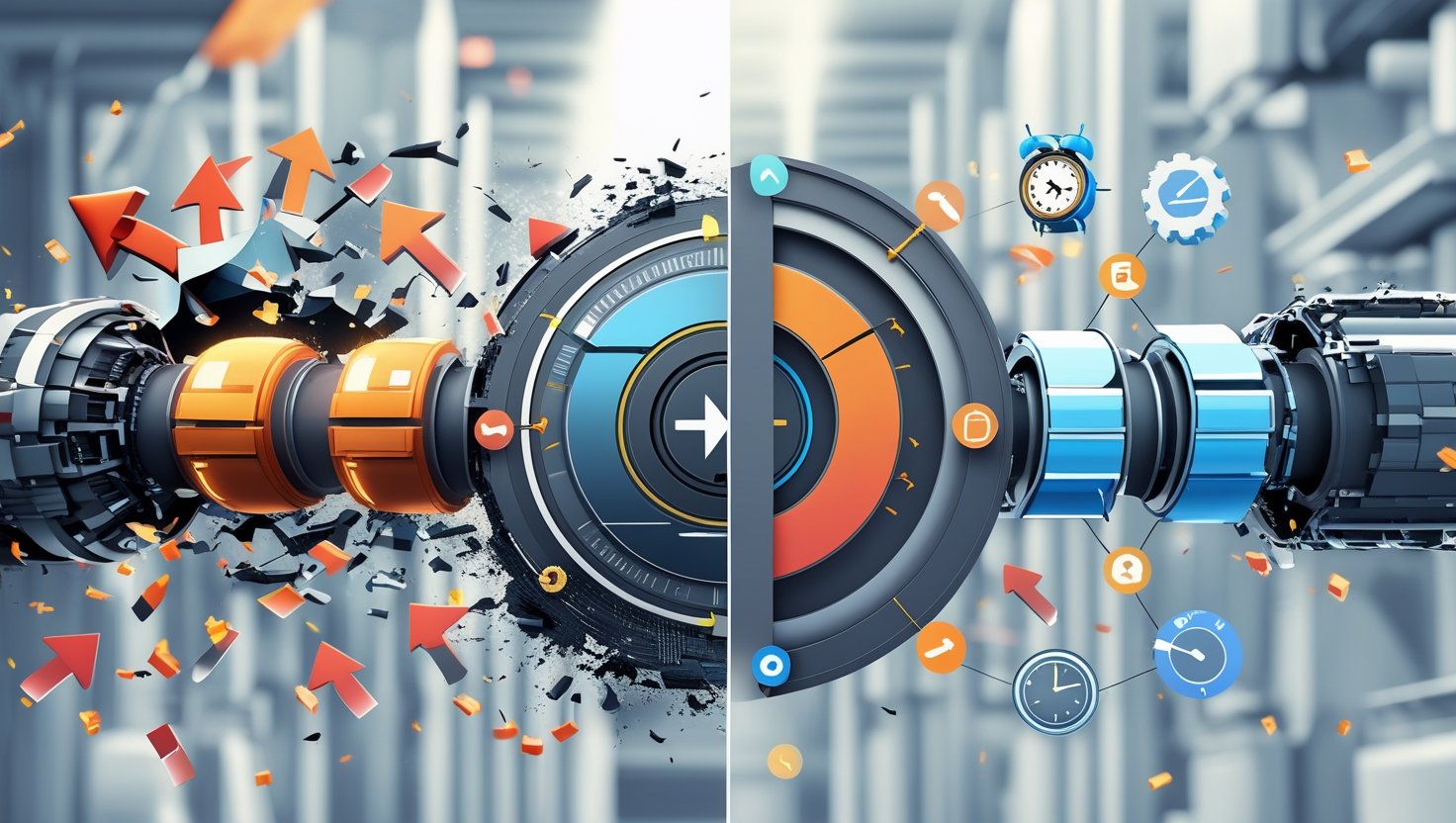
And yet in 2025, most DevOps teams still suffer from slow, fractured, or outright broken feedback loops. They’re flying blind post-deploy, firefighting too late during incidents, and struggling to learn from failure fast enough to evolve.
If your team is deploying more but learning less, fixing bugs reactively, or unsure what’s even happening in production… you’re not scaling DevOps. You’re just scaling risk.
🔁 What a Feedback Loop Should Look Like
DevOps isn’t just CI/CD. It’s CI/CD plus continuous learning.
Here’s how a healthy loop functions:
-
Code is written → tests run automatically
-
Build passes or fails → developer is notified in seconds
-
Code is deployed → telemetry kicks in immediately
-
System health is tracked → errors, latencies, behavior changes
-
Alerts are triggered when needed → relevant team notified instantly
-
Incidents are resolved → insights loop back to dev
These loops happen over minutes, not hours. The best teams don’t fear failure — they learn fast from it and move forward.
But most organizations are stuck in a world of:
-
Delayed test feedback
-
Alert fatigue
-
Monitoring gaps
-
Incidents without resolution
-
Developers siloed from production reality
🧨 Signs You Have a Feedback Loop Problem
You may not see the bottleneck — but your team feels it. Look for these red flags:
🔸 Alerts That No One Trusts
If every incident floods Slack with irrelevant pings, your team stops responding. When a real alert hits, it’s too late.
🔸 Broken Deployment Confidence
Your team deploys — but they don’t know if it worked. There’s no traffic insight, rollback signal, or SLO check. Just crossed fingers.
🔸 Postmortems With No Teeth
You write the report, assign “action items,” and… nothing changes. Next outage? Same issue, same confusion, same finger-pointing.
🔸 Overload of Dashboards, Underload of Insight
Grafana, Prometheus, Datadog — you’ve got them all. But nobody knows what to look at when it matters. Observability ≠ usability.
🔸 Devs in the Dark
Your developers don’t know how their code behaves in production. Worse — they don’t care because they’re never shown how it fails.
🧱 Where Feedback Loops Fail Technically
1. Tool Fragmentation
You’ve got great tools — CI/CD, logs, metrics, alerts — but they’re siloed. Jenkins doesn’t send build results to Slack. Your incident tracker isn’t tied to your observability platform. No one system has the full picture.
2. Manual Everything
-
Tests require manual approval
-
Deployments need someone on-call
-
Post-incident tasks are tracked in Notion and forgotten
Manual steps kill loop velocity. Every extra click adds latency to learning.
3. Lack of Real-Time Metrics
DevOps teams often monitor infrastructure, but not user behavior. You’ll catch CPU spikes, but not sign-up drop-offs or conversion failures. The most damaging issues go unseen.
4. Poor Handoff Between Teams
SREs respond to alerts, but don’t know who owns the broken service. Devs deploy code, but don’t own production. Nobody owns the lifecycle. Everyone owns the pain.
🔧 How to Rebuild Feedback Loops That Work
✅ 1. Shorten Test + Deploy Cycles
Move from nightly builds to fast, parallelized CI:
-
Use test acceleration tools like Testkube or Launchable
-
Automate test gates for every pull request
-
Run smoke tests post-deploy by default
Fast feedback builds trust and speeds up shipping.
✅ 2. Connect CI/CD to Observability
Link your deployments to dashboards. Use:
-
Argo CD or Spinnaker with integrated rollout visuals
-
Feature flag platforms (LaunchDarkly, Unleash) to monitor new code in production
-
Sentry, Honeycomb, or DataDog to connect errors directly to PRs
If a feature causes a spike in errors, rollback should be automatic.
✅ 3. Make Alerts Actionable
-
Use dynamic thresholds (e.g., anomaly detection)
-
Include runbooks in alerts
-
Route alerts based on code ownership, not teams
Every alert should answer: What’s wrong? Who owns it? What do I do next?
✅ 4. Include Devs in Incidents
This is critical. Use tools like:
-
FireHydrant, Jeli, or Incident.io to pull in the right people fast
-
Real-time status pages and Slack bots
-
Automated retros that assign ownership and loop back to Git
Devs must see the fire — not just the ashes.
✅ 5. Track Learnings — and Close the Loop
After incidents:
-
Add postmortem insights to service runbooks
-
Create GitHub issues tied to failed components
-
Update test cases or monitoring to catch next time
If there’s no change after the last fire, you’re building bonfires.
📊 The Impact of Healthy Feedback
| Metric | Broken Loop | Strong Loop |
|---|---|---|
| MTTR | 4–6 hours | Under 20 min |
| Deployment Frequency | Weekly | Daily/hourly |
| Developer Confidence | Low | High |
| Customer Impact | High | Minimal |
| Team Morale | Burnout | Ownership |
DevOps feedback loops don’t just affect performance — they shape team psychology. High-trust, fast-feedback environments produce happier, more productive engineers.
Final Word: The Fastest Teams Don’t Just Ship — They Learn
2025 DevOps isn’t about who deploys fastest. It’s about who learns fastest.
Your greatest advantage isn’t your pipeline — it’s your feedback loop.
It’s what tells your team what’s working, what isn’t, and how to grow without burning out.
So ask yourself:
What happens after your next deployment?
If the answer is “we’ll find out eventually,” you’ve already lost time.