• About Us
  • Advertise With Us

Wednesday, April 1, 2026

  • Home
  • AI
  • Cloud
  • DevOps
  • Security
  • Webinars New
  • Home
  • AI
  • Cloud
  • DevOps
  • Security
  • Webinars New
Home DevOps

Shut the Door on Exploits: Kubernetes Security for the Real World

Marc Mawhirt by Marc Mawhirt
April 13, 2025
in DevOps, Security
0
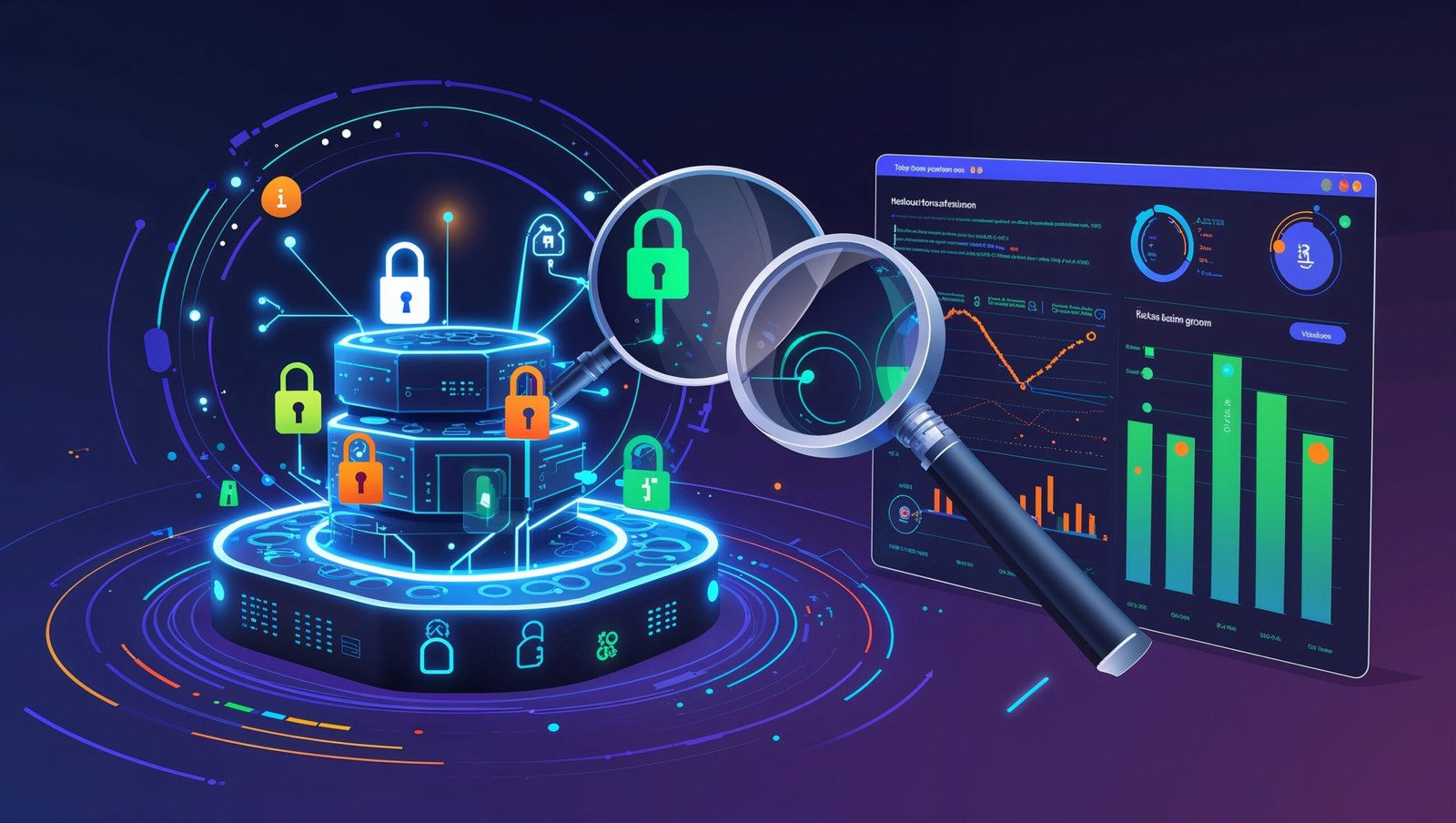
Diagram showing secure Kubernetes cluster architecture with policy enforcement and threat detection.

Lock down your Kubernetes clusters with actionable security posture strategies—before attackers even get close.

156
SHARES
3.1k
VIEWS
Share on FacebookShare on Twitter

As Kubernetes continues to dominate cloud-native infrastructure, it’s also become a high-value target for threat actors. The complexity of modern Kubernetes environments—coupled with misconfigurations, overly permissive access, and blind spots in observability—creates an ideal playground for exploits. That’s why proactive security posture management (SPM) is no longer optional; it’s foundational.

Here’s how to get serious about defending your clusters with meaningful, actionable SPM that actually makes a difference.


🔍 1. Embrace Shift-Left Security Early and Continuously

Start with security at the code and infrastructure-as-code (IaC) level. Tools like Checkov, KubeLinter, and OPA Gatekeeper can validate configurations before deployment. Make policy enforcement a gate to CI/CD pipelines, preventing unsafe configurations from ever reaching production.


🧠 2. Use Security Posture Management Tools Purpose-Built for Kubernetes

Adopt platforms like Kubescape, KSOC, Sysdig Secure, or Palo Alto Prisma Cloud—which continuously scan for posture risks such as:

  • Misconfigured RBAC
  • Insecure network policies
  • Containers running as root
  • Exposed dashboards
  • Outdated images with CVEs

These tools provide actionable guidance—not just alerts—on how to remediate findings.


🛰️ 3. Prioritize Visibility and Real-Time Threat Detection

You can’t protect what you can’t see. Leverage eBPF-based runtime security tools (e.g., Falco, Cilium Tetragon) for real-time threat detection within clusters. Tie this data into a centralized SIEM or XDR for broader correlation and incident response.


🧩 4. Implement Policy-Driven Guardrails with OPA and Kyverno

Use Open Policy Agent (OPA) or Kyverno to define and enforce rules across namespaces, clusters, and workloads. For example:

  • Enforce container immutability
  • Disallow hostPath mounts
  • Require labels for workload ownership

These policies act as a security “contract” baked into your platform.


🧼 5. Conduct Regular Posture Hygiene & Compliance Checks

Security posture isn’t static—it decays. Schedule regular security reviews, run compliance scans (e.g., CIS Kubernetes Benchmark), and compare drift from your golden baseline. Use GitOps-style automation to detect unauthorized changes and auto-remediate.


🔒 6. Lock Down Networking and Service Exposure

Default Kubernetes networking is permissive. Define network policies to restrict pod-to-pod traffic, enforce TLS encryption, and avoid public IPs unless explicitly required. Leverage service meshes like Istio or Linkerd for fine-grained traffic control.


🌐 7. Harden the Control Plane and API Server

Control plane access must be sacred. Mitigate risks by:

  • Using Role-Based Access Control (RBAC) with least privilege
  • Enabling audit logging
  • Restricting API server access to trusted CIDRs
  • Disabling anonymous and unauthenticated endpoints

🧯 8. Prepare for the Worst with Response Playbooks

Despite best efforts, breaches can still happen. Maintain response playbooks for container forensics, pod isolation, secret rotation, and node quarantine. Conduct red-team simulations to ensure your team is ready.


✅ Final Thoughts

Security posture management in Kubernetes is only powerful when it’s continuous, contextual, and enforceable. The more dynamic your cluster, the more proactive your defenses must be. With the right tools and practices, you can stay ahead of attackers—and sleep better at night knowing your clusters are fortified.


Tags: CIS Kubernetes benchmarkcloud-native securitycluster hardeningDevOps 2025GitOps securityKubernetes best practicesKubernetes exploit preventionKubernetes securityKyvernonetwork policiesOPA policiesproactive DevSecOpsRBACruntime threat detectionsecurity posture management
Previous Post

Powering the Future: How to Build GenAI into Your Tech Stack Without Breaking It

Next Post

GitHub Just Went Full Agent Mode—and DevOps Will Never Be the Same

Next Post
Developer working with AI DevOps agent interface inside GitHub platform on multiple monitors.

GitHub Just Went Full Agent Mode—and DevOps Will Never Be the Same

ADVERTISEMENT
  • Trending
  • Comments
  • Latest
AI in DevOps automation concept with cloud, pipelines, and artificial intelligence systems

Agentic AI Is Reshaping DevOps and Enterprise Automation in 2026

March 19, 2026
Agentic AI managing automated DevOps CI/CD pipeline infrastructure

Agentic AI in DevOps Pipelines: From Assistants to Autonomous CI/CD

March 9, 2026
AI cybersecurity systems detecting and defending against AI-powered cyber threats

The AI Cybersecurity Arms Race: When Intelligent Threats Meet Intelligent Defenses

March 10, 2026
DevOps feedback loops in a modern CI/CD pipeline

DevOps Feedback Loops: The Hidden Bottleneck Slowing CI/CD

March 9, 2026
Microsoft Empowers Copilot Users with Free ‘Think Deeper’ Feature: A Game-Changer for Intelligent Assistance

Microsoft Empowers Copilot Users with Free ‘Think Deeper’ Feature: A Game-Changer for Intelligent Assistance

0
Can AI Really Replace Developers? The Reality vs. Hype

Can AI Really Replace Developers? The Reality vs. Hype

0
AI and Cloud

Is Your Organization’s Cloud Ready for AI Innovation?

0
Top DevOps Trends to Look Out For in 2025

Top DevOps Trends to Look Out For in 2025

0
AI infrastructure cloud architecture 2026 team analyzing cloud and AI systems

AI Infrastructure Cloud Architecture 2026: The Shift

March 31, 2026
DevOps webinars driving high audience engagement in 2026

Why High-Attendance DevOps Webinars Are the Most Underrated Growth Channel in 2026

March 30, 2026
AI agents operating within a cybersecurity control plane in an enterprise environment

Agent Security Is Becoming the Control Plane of Enterprise AI

March 25, 2026
AWS AI agents managing cloud infrastructure in a futuristic data center

AWS AI Agents: The Shift to Autonomous Enterprise Operations

March 25, 2026
ADVERTISEMENT

Welcome to LevelAct — Your Daily Source for DevOps, AI, Cloud Insights and Security.

Follow Us

Linkedin

Browse by Category

  • AI
  • Cloud
  • DevOps
  • Security
  • AI
  • Cloud
  • DevOps
  • Security

Quick Links

  • About
  • Advertising
  • Privacy Policy
  • Editorial Policy
  • About
  • Advertising
  • Privacy Policy
  • Editorial Policy

Subscribe Our Newsletter!

Be the first to know
Topics you care about, straight to your inbox

Level Act LLC, 8331 A Roswell Rd Sandy Springs GA 30350.

No Result
View All Result
  • About
  • Advertising
  • Calendar View
  • Editorial Policy
  • Events
  • Home
  • LevelAct Webinars
  • Privacy Policy
  • Webinars New

© 2026 JNews - Premium WordPress news & magazine theme by Jegtheme.