Kubernetes has become the backbone of modern cloud infrastructure. From startups to global enterprises, organizations rely on Kubernetes to orchestrate containerized workloads across complex hybrid and multi-cloud environments.
At the same time, artificial intelligence is rapidly moving into the operational layer of IT. AI systems are increasingly capable of analyzing infrastructure telemetry, predicting failures, and optimizing resource usage in real time.
The convergence of these two technologies—Kubernetes and AI—is creating a new generation of intelligent cloud operations.
Instead of relying solely on static configuration and manual tuning, organizations are beginning to deploy AI-driven automation that continuously optimizes Kubernetes environments.
The Challenge of Operating Kubernetes at Scale
Kubernetes is powerful, but it is also complex.
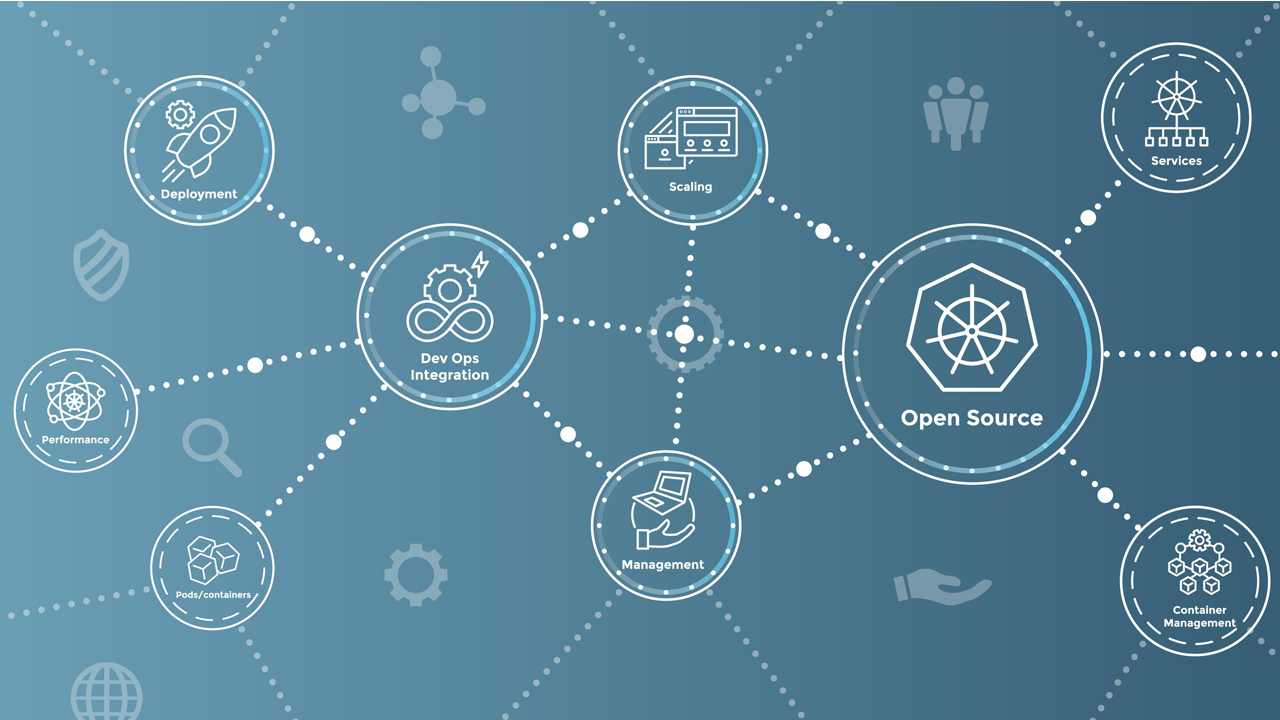
Running production clusters requires managing numerous moving parts, including:
• nodes and compute resources
• container scheduling
• networking policies
• service meshes
• storage orchestration
• security controls
• observability pipelines
As organizations scale their infrastructure, Kubernetes environments can quickly grow to thousands of containers running across multiple clusters and cloud providers.
Even experienced platform engineering teams struggle to manually monitor and optimize systems at this scale.
This is where AI begins to make a significant impact.
AI-Driven Observability for Kubernetes
Modern Kubernetes environments generate enormous volumes of telemetry data.
Metrics, logs, traces, and events flow continuously from containers, nodes, and cluster components. While observability platforms can collect this data, analyzing it effectively often requires significant human expertise.
AI-powered observability platforms are beginning to solve this challenge.
Machine learning models can analyze telemetry streams to detect patterns that signal performance degradation or system instability.
For example, AI systems can identify:
-
unusual container restart patterns
-
abnormal network latency
-
resource contention between workloads
-
early indicators of node failure
By recognizing these signals early, AI systems allow operations teams to address problems before they impact applications.
Intelligent Resource Optimization
One of the most common challenges in Kubernetes environments is inefficient resource utilization.
Clusters are often overprovisioned to avoid outages, which leads to unnecessary cloud costs. At the same time, under-provisioned workloads can experience performance issues.
AI systems can analyze historical workload patterns and automatically optimize resource allocation.
This includes:
• adjusting container resource limits
• optimizing pod scheduling
• recommending cluster scaling strategies
• predicting future infrastructure demand
The result is a more efficient Kubernetes environment that balances performance and cost.
Predictive Incident Prevention
Traditional infrastructure monitoring focuses on detecting problems after they occur.
AI introduces a more proactive model.
Predictive analytics can analyze cluster behavior over time to identify signals that often precede incidents. For example, memory pressure patterns or abnormal scheduling delays may indicate that a cluster is approaching instability.
When AI systems detect these warning signs, they can automatically trigger preventive actions such as:
-
scaling nodes
-
redistributing workloads
-
restarting unstable services
This type of predictive operations significantly reduces downtime in large Kubernetes deployments.
AI-Powered DevOps Automation
AI is also transforming how developers interact with Kubernetes environments.
Many platforms are now introducing AI copilots for Kubernetes operations. These systems allow engineers to query cluster behavior using natural language instead of manually parsing logs and dashboards.
For example, a developer could ask:
“Why did the payment service restart three times yesterday?”
The AI system could analyze logs, events, and configuration changes to provide a detailed explanation.
This dramatically simplifies troubleshooting and reduces the time required to resolve incidents.
Strengthening Kubernetes Security with AI
Security remains one of the most challenging aspects of Kubernetes operations.
Clusters must defend against threats such as:
-
misconfigured containers
-
insecure APIs
-
compromised workloads
-
supply chain vulnerabilities
AI security tools can analyze cluster activity to detect suspicious behavior.
For example, AI systems may detect:
• unusual container network traffic
• privilege escalation attempts
• unexpected changes to Kubernetes policies
• abnormal workload communication patterns
By identifying these threats early, AI helps security teams maintain stronger protection for cloud-native environments.
Autonomous Kubernetes: The Next Frontier
The long-term vision for Kubernetes operations is moving toward autonomous infrastructure.
In this model, AI systems will manage large portions of cluster operations with minimal human intervention.
Future Kubernetes environments may automatically:
-
tune configurations
-
repair failing nodes
-
optimize networking routes
-
scale infrastructure
-
enforce security policies
Platform engineers will shift from performing manual operations to overseeing intelligent infrastructure systems.
While full autonomy is still emerging, many organizations are already experimenting with AI-assisted cluster management.
Why Kubernetes and AI Are a Perfect Match
Kubernetes environments generate the kind of large-scale telemetry and operational complexity that AI systems are designed to analyze.
At the same time, AI benefits from Kubernetes’ scalable architecture, which provides the computing resources necessary to train and run machine learning models.
This symbiotic relationship makes Kubernetes one of the most important platforms for the future of AI-driven infrastructure.
Organizations that successfully combine Kubernetes with intelligent automation will gain significant advantages in reliability, efficiency, and operational agility.
The Future of Cloud Operations
As enterprises continue their cloud-native transformations, Kubernetes will remain the dominant orchestration platform for containerized workloads.
At the same time, AI will become increasingly embedded within infrastructure management tools.
The combination of these technologies is ushering in a new era of intelligent cloud operations, where infrastructure systems continuously monitor themselves, optimize performance, and prevent failures.
For DevOps teams managing complex cloud environments, Kubernetes and AI together represent one of the most powerful technology partnerships shaping the future of modern IT.