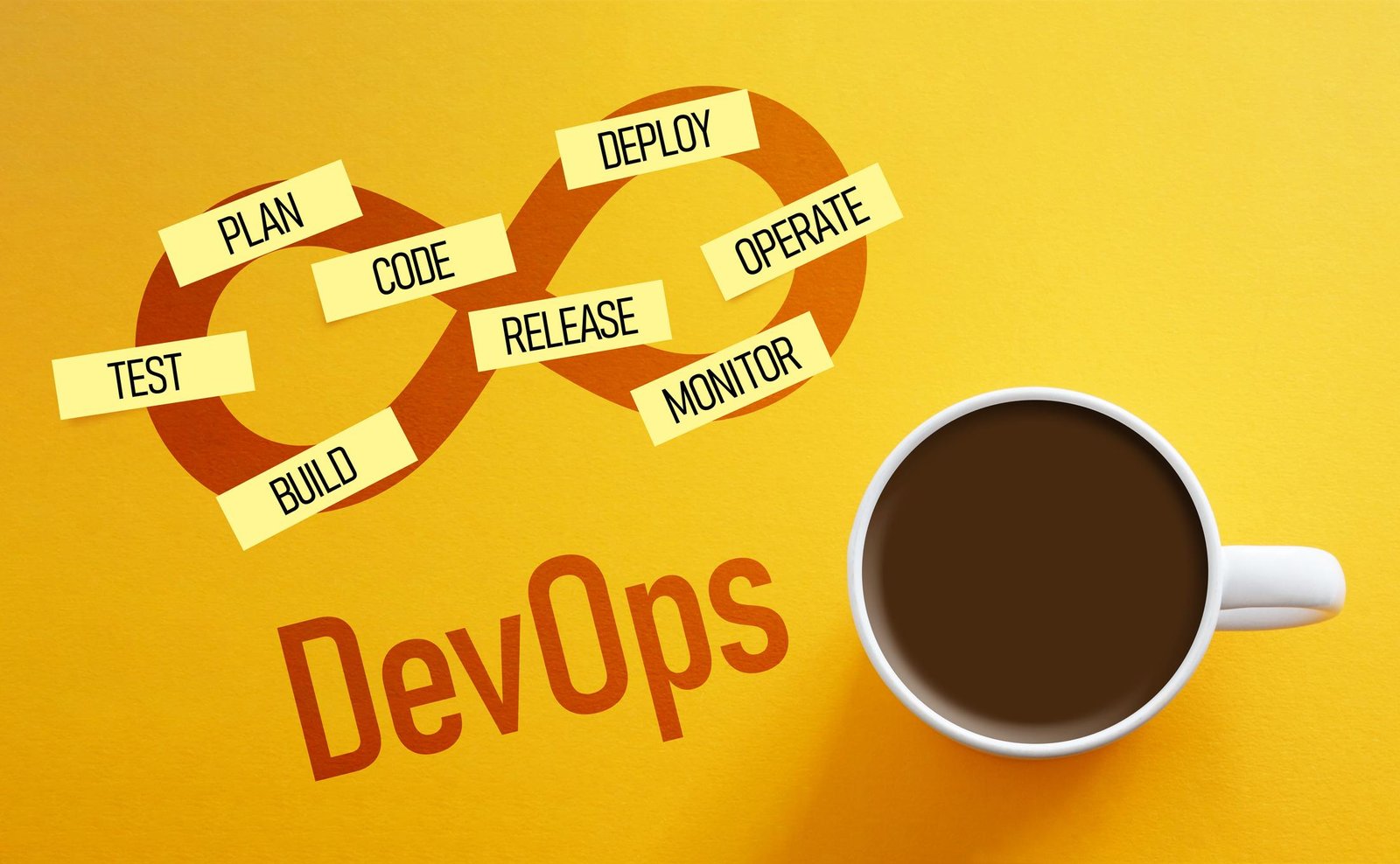
For years, DevOps teams have focused heavily on automation. Continuous integration pipelines, automated testing frameworks, infrastructure-as-code, and container orchestration have dramatically improved how software is built and deployed.
Yet despite these advancements, many organizations still struggle with slow delivery cycles and delayed problem resolution.
The root cause often isn’t the pipeline itself.
It’s broken feedback loops.
In modern DevOps environments, feedback loops determine how quickly developers learn whether their code works, whether it introduces security risks, or whether it breaks existing functionality. When those loops are slow, fragmented, or incomplete, development teams lose velocity.
Today, one of the most overlooked DevOps bottlenecks isn’t automation—it’s the speed and quality of feedback flowing through the pipeline.
Understanding DevOps Feedback Loops
A feedback loop in DevOps refers to the process by which developers receive information about the impact of their code changes.
These loops appear throughout the software delivery lifecycle:
• code commits triggering build pipelines
• automated tests validating functionality
• security scans identifying vulnerabilities
• monitoring tools detecting production issues
• user analytics revealing real-world performance
In an ideal DevOps environment, feedback loops are fast, continuous, and actionable.
Developers commit code, pipelines run instantly, tests execute within minutes, and issues are identified before changes reach production.
But in many organizations, feedback loops break down due to pipeline complexity, tooling fragmentation, and growing infrastructure scale.
Why Feedback Loops Break
As organizations adopt cloud-native architectures and microservices, software systems become far more complex than traditional monolithic applications.
This complexity introduces several challenges that slow feedback cycles.
Pipeline Overload
Modern CI/CD pipelines often run dozens—or even hundreds—of tasks:
• unit tests
• integration tests
• security scans
• dependency checks
• container builds
• infrastructure validation
As pipelines grow larger, execution time increases.
Instead of receiving feedback within minutes, developers may wait 30 minutes, an hour, or even longer for results.
Long feedback cycles reduce productivity and encourage developers to context switch to other tasks while waiting.
Fragmented Toolchains
DevOps teams rely on a wide range of specialized tools:
• CI/CD platforms
• observability platforms
• security scanning tools
• performance testing frameworks
• infrastructure automation systems
Each tool generates valuable feedback, but the information is often scattered across multiple dashboards.
Developers must manually piece together insights from logs, metrics, alerts, and test reports.
This fragmentation delays troubleshooting and increases cognitive load.
Delayed Production Signals
Some of the most important feedback about software quality comes from production environments.
Observability tools track system behavior, but developers often receive alerts only after issues escalate into outages or customer complaints.
Without tight integration between development and production feedback systems, organizations struggle to close the loop between code changes and real-world outcomes.
The Cost of Slow Feedback
When feedback loops break down, the consequences extend far beyond delayed builds.
Reduced Developer Productivity
Slow pipelines interrupt developer workflows. Engineers must constantly switch context while waiting for results.
Research consistently shows that context switching significantly reduces productivity and increases error rates.
Increased Deployment Risk
When feedback arrives too late in the pipeline, teams may discover issues after code has already reached staging or production environments.
Fixing problems at later stages of delivery is far more expensive and disruptive.
Slower Innovation
Organizations with slow feedback cycles struggle to maintain rapid release cadences.
Instead of deploying multiple times per day, teams may limit releases to weekly or monthly schedules.
This directly impacts a company’s ability to deliver new features quickly.
How Leading DevOps Teams Fix Feedback Loops
Forward-thinking DevOps organizations are adopting several strategies to repair broken feedback loops and accelerate delivery.
Shift-Left Testing
One of the most effective ways to speed feedback is to move testing earlier in the development process.
Shift-left testing ensures that issues are identified during development rather than later pipeline stages.
Developers receive faster insights about code quality and can address problems before they propagate through the pipeline.
Intelligent Pipeline Optimization
Modern DevOps platforms are beginning to incorporate AI-driven pipeline optimization.
These systems analyze pipeline performance and dynamically adjust workflows to minimize delays.
Examples include:
• running only relevant tests based on code changes
• parallelizing pipeline stages
• skipping redundant tasks
This approach dramatically reduces pipeline execution times.
Unified Observability Platforms
To reduce fragmentation, many organizations are consolidating monitoring, logging, and tracing into unified observability platforms.
This allows developers to quickly understand how code changes affect system performance across distributed environments.
Unified observability also shortens the time required to diagnose production issues.
Developer-Centric Tooling
Platform engineering teams are increasingly building internal developer platforms (IDPs) that simplify DevOps workflows.
These platforms provide developers with standardized environments, automated pipelines, and integrated observability tools.
By reducing friction between development and operations systems, IDPs help teams maintain continuous feedback throughout the delivery process.
The Role of AI in DevOps Feedback Loops
Artificial intelligence is also beginning to play an important role in improving DevOps feedback cycles.
AI-powered tools can analyze vast volumes of pipeline data and identify patterns that humans might miss.
Examples include:
• identifying flaky tests
• predicting pipeline failures
• correlating deployment events with production incidents
• recommending pipeline optimizations
These capabilities allow organizations to transform raw pipeline data into actionable insights.
As AI systems become more advanced, they may even begin automatically correcting pipeline failures or suggesting code fixes.
Feedback Loops and Platform Engineering
Platform engineering has emerged as a key strategy for improving DevOps workflows.
Internal developer platforms create standardized pathways for developers to build, test, and deploy applications.
These “golden paths” reduce variability across development environments and ensure that feedback loops remain consistent across teams.
Platform engineering also centralizes DevOps tooling, making it easier for developers to access feedback without navigating complex toolchains.
The Future of DevOps Feedback Systems
As software delivery ecosystems continue to grow in complexity, DevOps teams will need to place greater emphasis on feedback systems.
Future DevOps platforms will likely include:
• real-time pipeline analytics
• AI-assisted troubleshooting
• automated pipeline optimization
• integrated developer experience platforms
The goal will be to ensure that feedback reaches developers instantly and with clear context.
Organizations that succeed in building fast feedback systems will gain a significant competitive advantage in software delivery speed and reliability.
Conclusion
Automation alone cannot solve every DevOps challenge.
As software systems become increasingly distributed and complex, the true bottleneck often lies in how quickly teams receive meaningful feedback about their code.
Broken feedback loops slow development, increase risk, and limit innovation.
By focusing on faster feedback systems, unified observability, intelligent pipeline optimization, and developer-centric platforms, organizations can restore the rapid delivery cycles that DevOps originally promised.
In the race to accelerate software delivery, the companies that win will be those that shorten the distance between action and insight.
Fix the feedback loops, and the pipeline will follow.
DevOps Feedback Loops Explained
DevOps feedback loops are essential to modern software delivery. Strong DevOps feedback loops allow development teams to detect problems earlier, improve CI/CD pipelines, accelerate release cycles, and increase overall software quality. Organizations that invest in improving DevOps feedback loops often see faster deployments, better reliability, and improved developer productivity across their engineering teams.