
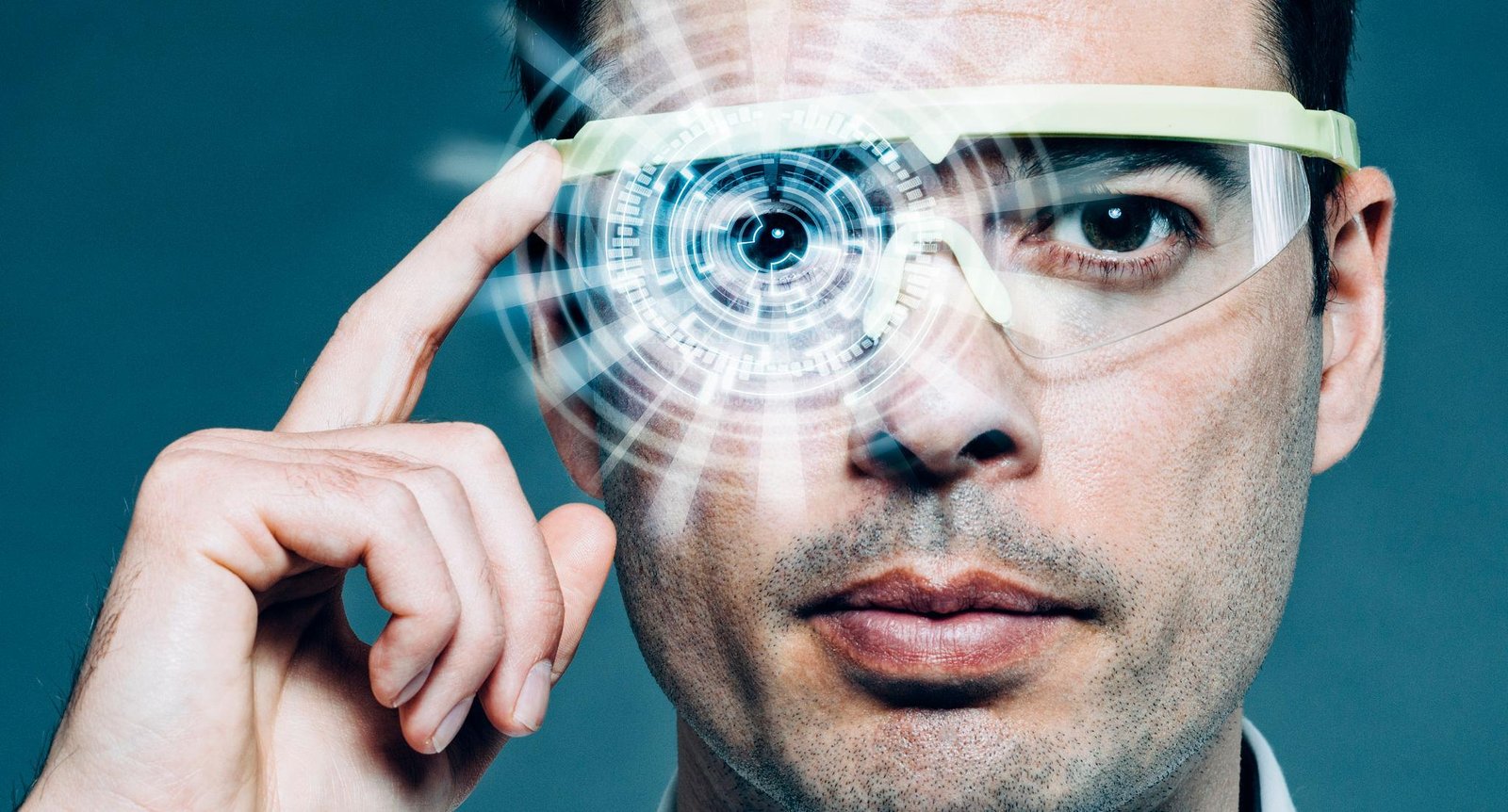
Apple’s push into wearable AI is accelerating, and new leaks suggest the company is preparing to take direct aim at Meta with its first generation of Apple AI glasses. According to recent reports, Apple is testing multiple frame styles and a distinctive oval camera system—clear signs that the company is positioning its entry as both a technology product and a fashion accessory.
This is more than just another hardware release. It’s Apple entering one of the most competitive frontiers in tech: AI-powered wearables.
Multiple Styles Signal a New Strategy
Unlike earlier smart glasses that leaned heavily on functionality over design, Apple appears to be prioritizing both. Reports indicate that the company is exploring several different frame styles, including rectangular and oval designs, along with a variety of finishes.
This mirrors Apple’s approach with products like the Apple Watch and AirPods—offering multiple styles to appeal to a broader audience. Instead of a single “tech gadget” look, Apple is aiming to make its AI glasses something people actually want to wear daily.
That’s a major shift in the wearable space.
The Oval Camera Design That Stands Out
One of the most interesting details is the camera system.
Leaks suggest that Apple’s AI glasses will feature front-facing cameras arranged in an oval configuration, surrounded by indicator lighting.
This design is not just aesthetic—it signals a focus on:
- Visual intelligence
- Environmental awareness
- Real-time AI processing
Unlike traditional cameras, these systems are expected to continuously analyze surroundings, enabling features like object recognition, contextual assistance, and AI-powered interactions.
Apple vs Meta: The AI Wearable War Is On
Apple’s move puts it in direct competition with Meta, whose Ray-Ban smart glasses have already gained traction in the market.
Meta’s devices focus heavily on:
- photo/video capture
- voice AI interaction
- social integration
Apple, however, is expected to take a different approach—leveraging its ecosystem to create a more seamless and intelligent experience.
That means tighter integration with:
- iPhone
- Siri
- iCloud
- Apple’s on-device AI
And that’s where Apple could win.
Powered by AI, Not Just Hardware
At the core of Apple’s strategy is artificial intelligence.
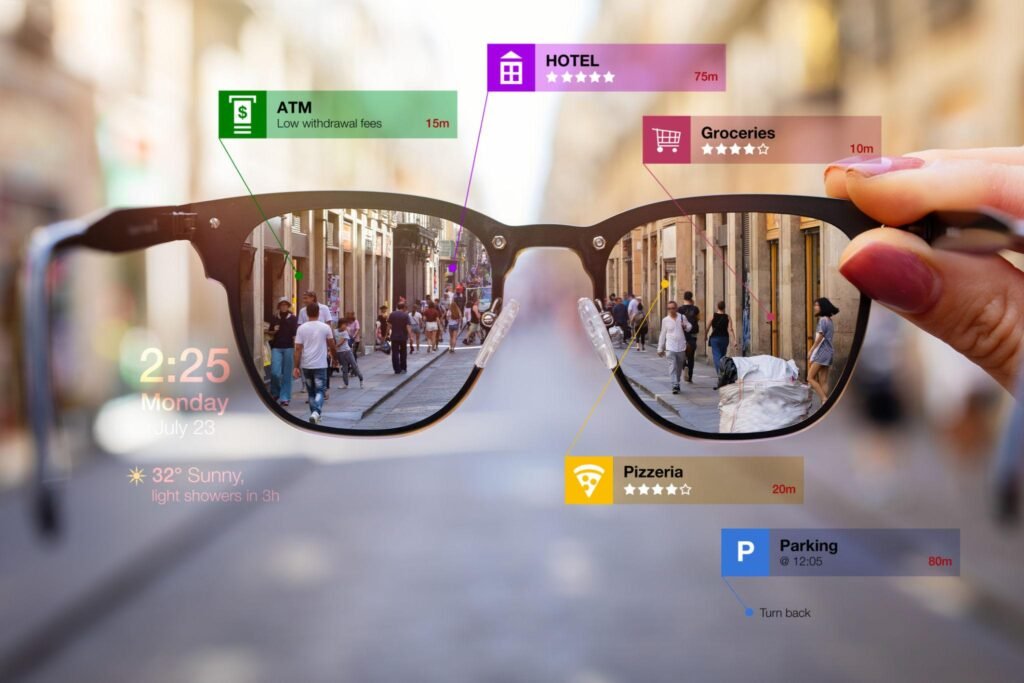
The new Apple AI glasses are expected to rely heavily on AI-driven features, including contextual awareness and voice-based interaction. Early reports suggest that the device will act as an extension of the iPhone, offloading processing while delivering real-time insights to the user.
This includes potential capabilities like:
- identifying objects and locations
- translating languages in real time
- answering questions based on what the user sees
Rather than focusing on full augmented reality displays, Apple appears to be prioritizing practical, everyday functionality.
Why This Matters for the Future of AI
The introduction of Apple AI glasses marks a significant shift in how AI will be delivered to users.
Instead of:
👉 pulling out a phone
👉 opening an app
AI becomes:
👉 always available
👉 context-aware
👉 integrated into daily life
This is the same transition we saw with smartphones—but now it’s happening with AI.
The Bigger Picture: AI Moves to the Edge
What makes this development even more important is where AI is heading.
The industry is moving toward:
- edge computing
- real-time processing
- wearable intelligence
Apple’s glasses are part of that shift.
Instead of relying entirely on cloud infrastructure, devices will increasingly process data locally, delivering faster and more personalized experiences.
Timeline and What Comes Next
While Apple has not officially announced the product, reports suggest that development is progressing rapidly, with a potential launch window around 2026–2027.
That puts Apple slightly behind Meta in timing—but potentially ahead in execution.
If Apple delivers the same level of polish and ecosystem integration seen in its other products, these glasses could quickly become a dominant force in the market.
Conclusion: Apple Is Entering the AI Wearable Race
The emergence of Apple AI glasses is not just another product rumor—it’s a signal that the next phase of AI is moving beyond screens.
With multiple styles, a unique camera design, and deep AI integration, Apple is positioning itself to compete directly with Meta and reshape the wearable technology landscape.
The AI race is no longer just about models and software.
It’s about how—and where—AI shows up in everyday life.
Related Articles